
The Story Behind the Recipe
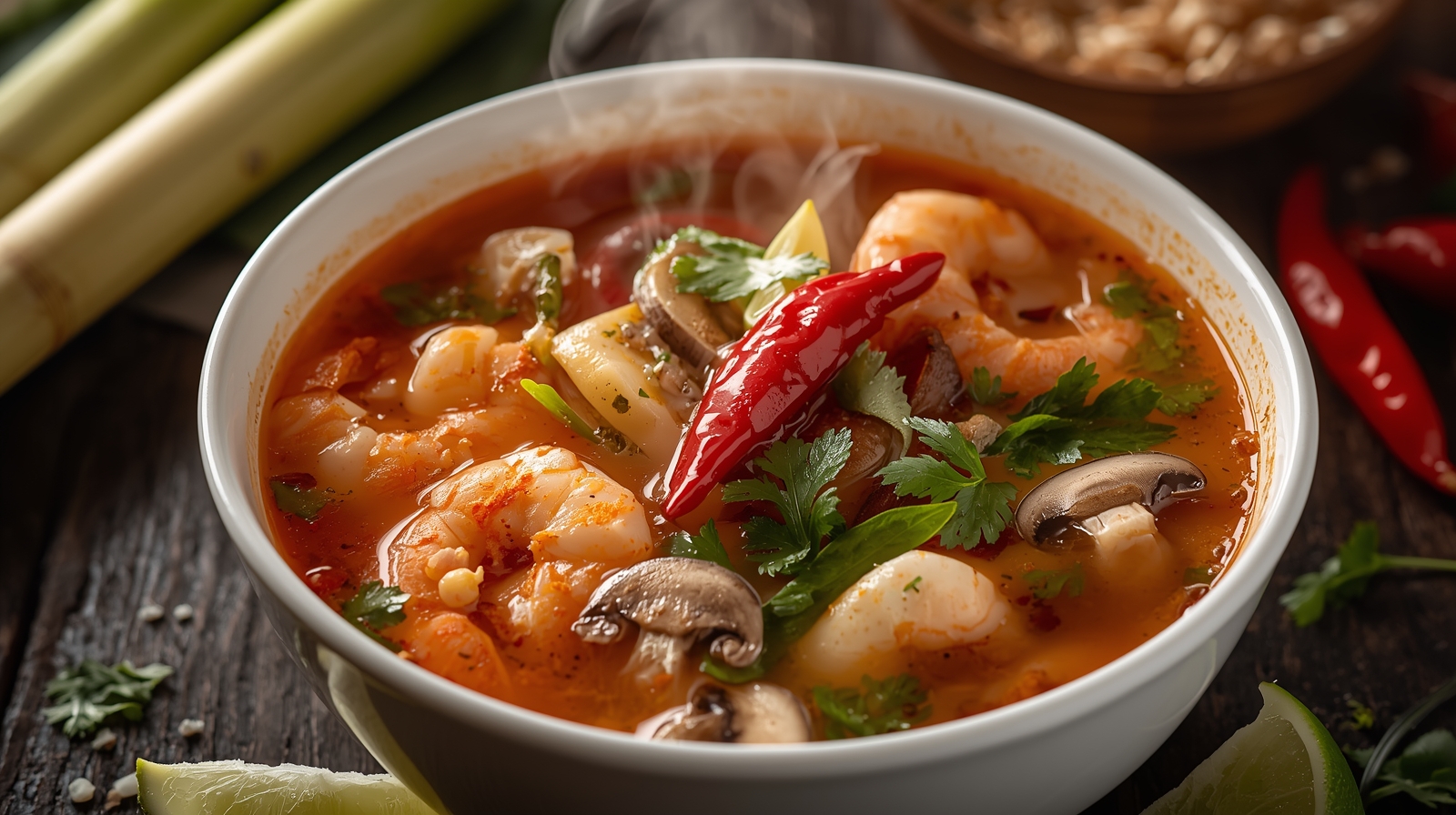
The Tom Yum Recipe is more than just a soup; it is a reflection of Thailand’s vibrant food culture, where bold flavors and fresh ingredients come together in perfect harmony. The first time I experienced an authentic Tom Yum Recipe, it was unforgettable. The aroma alone—sharp, citrusy, spicy, and herbal—filled the air and instantly awakened the senses. Unlike many soups that feel heavy or muted, Tom Yum announces itself boldly from the very first sip.
Traditionally enjoyed across Thailand, the Tom Yum Recipe has been passed down through generations as a comforting yet energizing dish. It is often served during family meals, special gatherings, and even when someone is feeling under the weather. What makes the Tom Yum Recipe so special is how it balances four major taste elements: spicy, sour, salty, and savory. This balance is a cornerstone of Thai cooking, and Tom Yum represents it perfectly.
When I started learning about Thai cuisine, the Tom Yum Recipe stood out immediately. It didn’t rely on heavy creams or slow simmering for flavor. Instead, it used fresh herbs like lemongrass, kaffir lime leaves, and galangal to create complexity in minutes. Every spoonful felt alive, refreshing, and deeply satisfying. That’s when I realized why the Tom Yum Recipe is considered one of the most iconic soups in the world.
Over time, as I cooked the Tom Yum Recipe repeatedly, it became clear that this dish is incredibly adaptable. Whether made with shrimp, chicken, or vegetables, the soul of the soup remains unchanged. The broth carries the essence of Thai cooking—clean, aromatic, and powerful. Many people fall in love with Thai food through their first bowl of Tom Yum, and it’s easy to see why the Tom Yum Recipe leaves such a strong impression.
The beauty of the Tom Yum Recipe lies in its simplicity and honesty. It does not hide behind richness; instead, it celebrates clarity of flavor. Every ingredient has a purpose, and nothing feels unnecessary. That’s why this soup has traveled far beyond Thailand and found a permanent place in kitchens around the world. Once you understand the heart of the Tom Yum Recipe, you understand the philosophy of Thai food itself.
What Makes This Recipe Special
The Tom Yum Recipe is special because it delivers intense flavor using remarkably simple techniques. Unlike many soups that require hours of simmering, this recipe builds depth quickly through fresh herbs and carefully layered ingredients. From the very first sip, the Tom Yum Recipe stands out with its bold personality—bright, spicy, sour, and aromatic all at once.
One of the most unique things about the Tom Yum Recipe is its balance. Thai cooking is known for harmony, and this soup demonstrates it perfectly. The heat from chilies, the sourness from lime juice, the saltiness from fish sauce, and the umami from mushrooms and protein all work together without overpowering one another. This precise balance is what makes the Tom Yum Recipe so addictive.
Another reason the Tom Yum Recipe is special is its flexibility. You can make it with shrimp, chicken, seafood, or even keep it vegetarian. Despite these variations, the core flavor remains consistent. This adaptability is why the Tom Yum Recipe fits into so many lifestyles and dietary preferences while still feeling authentic.
The freshness of the ingredients also sets the Tom Yum Recipe apart. Lemongrass, galangal, kaffir lime leaves, and Thai chilies create a fragrance that is unmistakable. These ingredients are not just flavor enhancers—they define the identity of the soup. Without them, the Tom Yum Recipe simply wouldn’t be the same.
What truly elevates this recipe is how light yet satisfying it feels. Many people love the Tom Yum Recipe because it leaves you energized rather than heavy. It’s comforting without being rich, making it perfect for lunch or dinner. This quality alone explains why the Tom Yum Recipe is often chosen when people want something nourishing, flavorful, and refreshing.
Ultimately, what makes the Tom Yum Recipe special is its ability to awaken the palate. It’s not a background dish—it demands attention. Once you taste it, you remember it. That’s the power of a truly iconic recipe.
Ingredients – Fresh, Simple & Full of Flavor
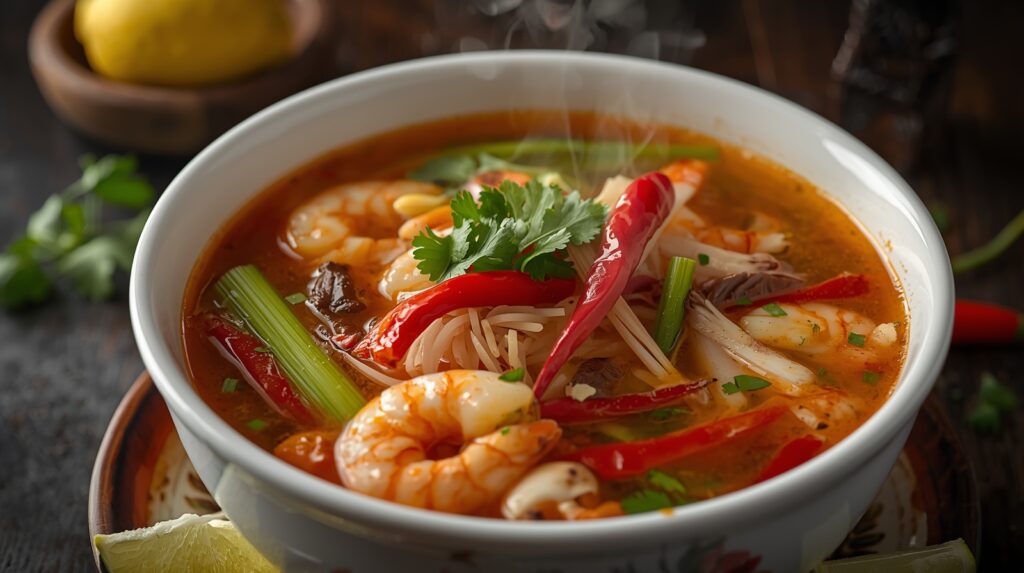
The foundation of a great Tom Yum Recipe is fresh, high-quality ingredients. Each one plays a specific role, and together they create the unmistakable flavor that defines this soup. The beauty of the Tom Yum Recipe is that it doesn’t require complicated preparation—only respect for the ingredients.
The broth begins with water or light stock, which acts as a clean canvas. Lemongrass is one of the most important ingredients in the Tom Yum Recipe. When lightly crushed, it releases citrusy oils that perfume the soup. Kaffir lime leaves add a sharp, floral aroma that is essential to authentic flavor. Galangal, which is similar to ginger but more peppery and aromatic, brings warmth and depth.
Thai chilies provide heat, and their quantity can be adjusted depending on preference. In a traditional Tom Yum Recipe, the heat is noticeable but not overwhelming. Mushrooms, often straw mushrooms or button mushrooms, add earthiness and texture to the soup. They also absorb the broth beautifully, making every bite flavorful.
Protein choices vary. Shrimp is the most popular, but chicken works just as well. Both options complement the herbs and spices in the Tom Yum Recipe without overpowering them. Fish sauce is used instead of salt, adding savory depth and umami. Lime juice is added at the end, bringing the signature sourness that defines the Tom Yum Recipe.
Fresh cilantro is often used as a garnish, adding brightness and freshness. Some variations include tomatoes or evaporated milk, but the classic Tom Yum Recipe keeps things light and clear. The key is balance—every ingredient should support, not dominate.
When combined, these ingredients create a soup that is fragrant, flavorful, and deeply satisfying. This ingredient harmony is why the Tom Yum Recipe continues to be loved worldwide.
Step-by-Step Cooking Instructions
Making an authentic Tom Yum Recipe is all about timing, balance, and respect for the ingredients. Unlike slow-cooked soups, Tom Yum comes together quickly, and each step plays a crucial role in building its signature flavor. When prepared correctly, the Tom Yum Recipe delivers a broth that is clear, aromatic, spicy, and sour in perfect harmony.
Start by bringing water or light stock to a gentle boil in a pot. Once it begins to heat, add crushed lemongrass stalks, torn kaffir lime leaves, and sliced galangal. This is the aromatic base of the Tom Yum Recipe, and allowing these herbs to simmer gently releases their essential oils into the broth. You’ll immediately notice a sharp, citrusy fragrance filling the kitchen—this is the soul of Tom Yum.
Next, add Thai chilies. The number of chilies determines the heat level, and one of the strengths of the Tom Yum Recipe is that it can be adjusted to suit personal preference. Let the chilies simmer with the herbs so the heat infuses evenly throughout the broth.
Once the broth is fragrant, add mushrooms. Mushrooms are essential in the Tom Yum Recipe because they absorb the broth and provide texture. Allow them to cook until tender but not mushy. If you are using tomatoes, add them at this stage for a mild sweetness and extra body.
Now it’s time to add the protein. Shrimp or chicken should be added gently and cooked just until done. Overcooking protein is one of the most common mistakes in a Tom Yum Recipe, as it can affect texture. Shrimp should turn pink and firm, while chicken should cook through but remain tender.
After the protein is cooked, reduce the heat and season the soup with fish sauce. Fish sauce is critical in the Tom Yum Recipe, providing saltiness and umami without overpowering the herbs. Taste the broth carefully before adding more—balance is everything.
Finally, turn off the heat and add fresh lime juice. Lime juice should never be boiled in a Tom Yum Recipe, as heat dulls its brightness. Adding it at the end preserves the sharp sourness that defines the dish. Give the soup a gentle stir, garnish with fresh cilantro, and your Tom Yum Recipe is ready to serve.
Serving Suggestions – What to Pair It With
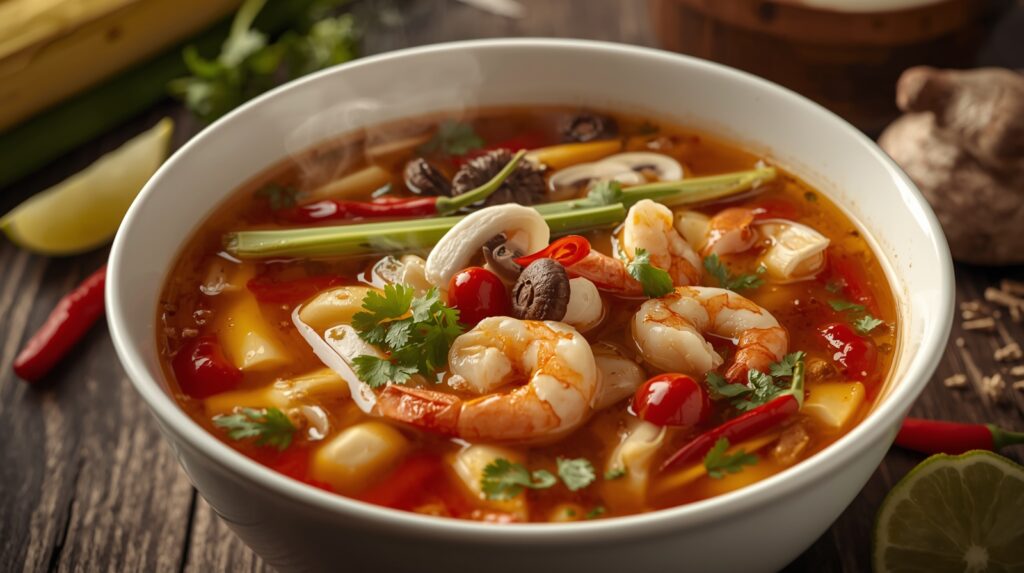
The Tom Yum Recipe is traditionally served hot and fresh, often as part of a shared meal. It can be enjoyed on its own or paired with other dishes to create a complete Thai-inspired dining experience. Because the soup is light yet bold, it pairs beautifully with simple accompaniments.
Steamed jasmine rice is one of the most common pairings. The rice helps balance the heat and sourness of the Tom Yum Recipe, making each bite more comforting. Many people enjoy spooning the soup over rice, allowing the flavors to soak in gently.
If serving multiple dishes, the Tom Yum Recipe pairs well with stir-fried vegetables, Thai basil chicken, or simple grilled meats. These dishes complement the soup without competing with its strong flavor profile. Fresh spring rolls or light salads also work well alongside Tom Yum.
For a lighter meal, the Tom Yum Recipe can be served as a starter before a main dish. Its bright flavors awaken the palate and prepare it for richer foods. Some people enjoy it as a main course, especially when loaded with shrimp or chicken and mushrooms.
No matter how you serve it, the Tom Yum Recipe brings balance to the table. Its refreshing acidity and warmth make it suitable for both casual meals and special occasions.
Customization & Variations
One of the reasons the Tom Yum Recipe is loved worldwide is its flexibility. While the classic version is clear and broth-based, there are several variations that allow you to adapt the soup to your taste while keeping its core identity intact.
If you prefer a slightly creamy texture, you can add a small amount of evaporated milk or coconut milk. This variation is often called Tom Yum Nam Khon, and it offers a richer mouthfeel while maintaining the signature flavors of the Tom Yum Recipe.
Protein choices can also be customized. Shrimp is traditional, but chicken, fish, squid, or mixed seafood all work well. Vegetarian versions of the Tom Yum Recipe use tofu and extra mushrooms, along with soy sauce instead of fish sauce.
You can adjust the spice level by increasing or decreasing the number of chilies. Some people enjoy an intensely spicy Tom Yum Recipe, while others prefer a milder version that highlights citrus and herbal notes.
Adding extra lime juice enhances sourness, while additional fish sauce deepens savory flavor. The beauty of the Tom Yum Recipe lies in tasting as you go and adjusting until the balance feels right to you.
Storing & Reheating
The Tom Yum Recipe is best enjoyed fresh, but it can be stored if needed. Allow the soup to cool completely before transferring it to an airtight container. It can be refrigerated for up to two days.
When reheating, do so gently over low heat. Avoid boiling, as this can dull the fresh flavors that define the Tom Yum Recipe. If possible, add fresh lime juice and cilantro after reheating to revive the brightness.
It’s best to store the broth and protein together, but if you anticipate leftovers, slightly undercook the protein so it doesn’t become tough when reheated.
Nutritional Snapshot (Per Serving – Approx.)
The Tom Yum Recipe is widely appreciated for being both flavorful and healthy. It is naturally low in calories and fat while being rich in flavor. A typical serving provides lean protein, minimal carbohydrates, and a variety of beneficial herbs.
Lemongrass and galangal are known for their digestive properties, while chili can boost metabolism. The Tom Yum Recipe is often chosen by those who want a light yet satisfying meal that doesn’t feel heavy.
What People Like Most About the Recipe
People love the Tom Yum Recipe because it is bold, refreshing, and unforgettable. The combination of spicy heat and sharp sourness creates a sensory experience unlike any other soup. It wakes up the palate and feels both comforting and energizing.
Another reason the Tom Yum Recipe stands out is its aroma. The herbal fragrance alone makes people crave it. Many fans also appreciate how quickly it comes together without sacrificing depth of flavor.
Above all, people enjoy how authentic and honest the Tom Yum Recipe feels. It doesn’t rely on heaviness or gimmicks—just pure, vibrant flavor.
Why Dinner Is the Perfect Choice for This Recipe
Dinner is the ideal time to enjoy a Tom Yum Recipe. After a long day, the warm broth relaxes the body while the bold flavors refresh the senses. It’s filling without being heavy, making it perfect for evening meals.
The Tom Yum Recipe also works well as a shared dinner dish. Served in a large bowl at the center of the table, it encourages conversation and connection. Its comforting warmth and lively flavor make dinner feel special without extra effort.
Reader Q&A – Common Questions (17) with Detailed Answers
1. Is Tom Yum Recipe very spicy by default?
This Recipe is traditionally spicy, but the heat level is fully adjustable. You can reduce or increase chilies to match your comfort level while keeping the authentic flavor intact.
2. Can I make This Recipe without shrimp?
Yes. While shrimp is classic, This Recipe works perfectly with chicken, fish, seafood mix, or even tofu for a vegetarian version.
3. What makes This Recipe sour?
Fresh lime juice is the primary source of sourness in the Tom Yum Recipe. It is always added at the end to preserve its bright flavor.
4. Can I prepare This Recipe ahead of time?
You can prepare the broth in advance, but for best taste, add protein and lime juice fresh. This keeps the Tom Yum Recipe vibrant and aromatic.
5. Is This Recipe healthy?
Yes. This Recipe is naturally low in calories and fat while being rich in herbs, lean protein, and antioxidants.
6. Can I freeze This Recipe?
Freezing is not ideal because fresh herbs lose their aroma. For best results, enjoy This Recipe fresh or refrigerated for short-term storage.
7. What can I substitute for galangal?
If galangal is unavailable, ginger can be used, though the flavor will be slightly different. This Recipe will still be delicious.
8. Do I need fish sauce for This Recipe?
Fish sauce adds authentic depth and umami. However, soy sauce or vegan fish sauce can be used in alternative versions of This Recipe.
9. Can I make This Recipe creamy?
Yes. Adding evaporated milk or coconut milk creates a creamy variation while keeping the signature flavors of This Recipe.
10. Why should lime juice not be boiled?
Boiling lime juice dulls its sharpness. In This Recipe, lime juice is added after turning off the heat to preserve freshness.
11. What mushrooms are best for This Recipe?
Straw mushrooms are traditional, but button mushrooms, oyster mushrooms, or shiitake also work well in This Recipe.
12. Can kids eat This Recipe?
Yes, if you reduce chilies. This Recipe can be made mild while still retaining its aromatic flavor.
13. How do I balance flavors in This Recipe?
Taste as you go. Adjust fish sauce for salt, lime juice for sourness, and chilies for heat until This Recipe feels balanced.
14. Is Tom Yum Recipe served as a main dish or starter?
It can be both. This Recipe works well as a light main course or a flavorful starter.
15. Can I add vegetables to This Recipe?
Yes. Vegetables like tomatoes, baby corn, or spinach can be added without overpowering This Recipe.
16. How long does This Recipe stay fresh?
It stays fresh for up to two days in the refrigerator when stored properly in an airtight container.
17. Why is This Recipe so popular worldwide?
Because it delivers bold flavor using simple ingredients. This Recipe is refreshing, comforting, and unforgettable.
Final Thoughts
This Recipe is a perfect example of how simple ingredients can create extraordinary flavor. With its bold combination of spice, sourness, saltiness, and aroma, this soup represents the heart of Thai cuisine. Every bowl of Tom Yum tells a story of balance, freshness, and tradition.
What makes the Tom Yum Recipe truly special is its versatility. It adapts easily to different proteins, spice levels, and preferences while remaining authentic at its core. Whether you enjoy it light and clear or slightly creamy, the essence of the Tom Yum Recipe always shines through.
This recipe is ideal for anyone who loves food that excites the senses without feeling heavy. It’s comforting yet energizing, simple yet complex. Once you master the Tom Yum Recipe, it becomes a go-to dish for busy dinners, cozy evenings, and special meals alike.
If you are exploring global flavors or simply want a soup that feels alive and refreshing, the Tom Yum Recipe deserves a permanent place in your kitchen.
Tried This Recipe?
If you enjoyed making this Tom Yum Recipe and want more authentic, comforting, and flavorful recipes, make sure to follow me on Pinterest for daily cooking inspiration and new ideas:
https://www.pinterest.com/grannnyslilkitchen/
Save this Tom Yum Recipe, share it, and come back whenever you crave something bold and comforting.

Hi, I’m Sayan, the creator behind grannyslilkitchen.com. I’m passionate about making home cooking easy and enjoyable for everyone. Whether you’re a beginner or an experienced chef, my goal is to help you create delicious meals with simple ingredients.